Buy less.
Wear it out.
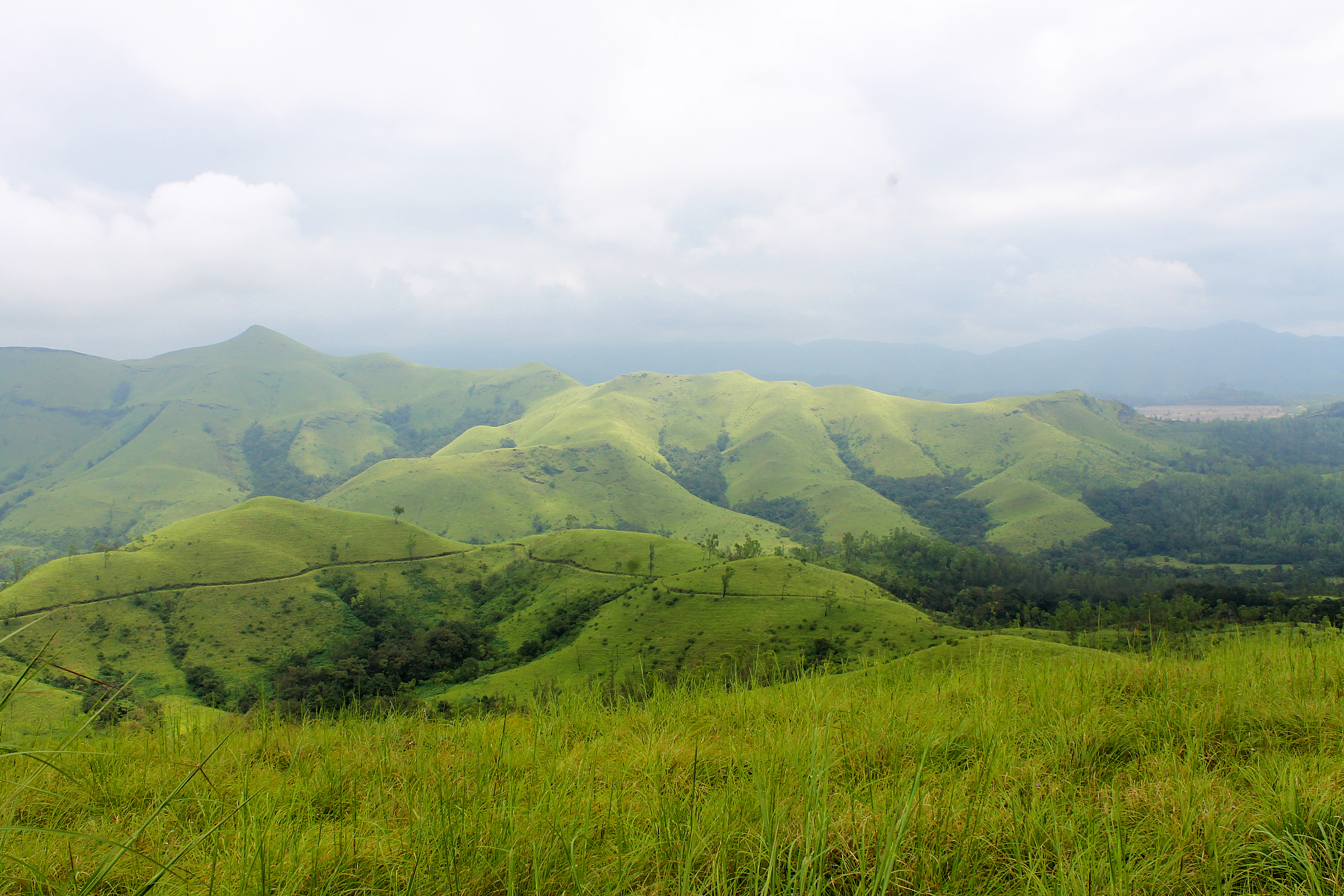
Clothing from Indian regenerative fibres, born in the shola hills of the Western Ghats — made to outlast the trend cycle, and to give back to the forests that named us.
Repaired free, for life.
Named after a forest that has waited 35,000 years.
The shola–grassland mosaics of the Western Ghats are among the oldest living landscapes on Earth — pollen records show they stood here 35,000 years before the first city. They taught us everything we believe about clothing: grow slowly, endure the weather, waste nothing.
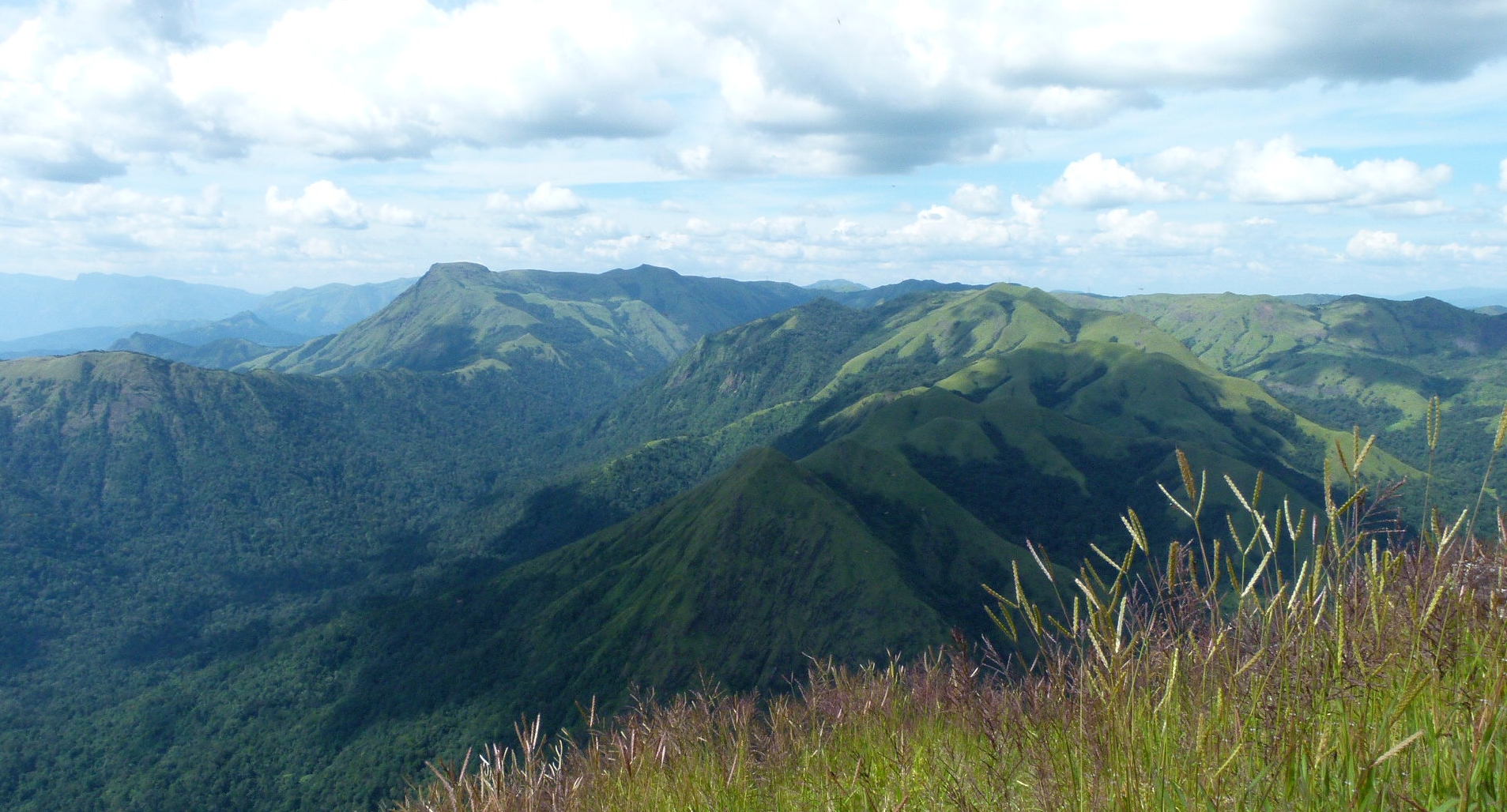
The hills are our design brief.
Everything in a shola is built for a hundred monsoons. Bark thickens. Roots hold the slope. Nothing is produced that the forest cannot repair, reuse or return to the soil. Sahaja simply applies the same standard to a shirt.
“The most sustainable garment is the one you already own. The next one should last.”
Before you buy from us, ask yourself three things.
We build this brand around restraint, not consumption. A sale we talk you out of is trust we bank for a decade.
Do you already have one?
If your current jacket still works, keep it. We’ll repair it — even if we didn’t make it. Bring it to any Sahaja repair table, no receipt, no lecture.
Can it be fixed or upgraded?
Every Sahaja piece ships with a lifetime re-stitch promise. Worn cuffs, lost buttons, torn seams — send it back and we mend it, visibly and proudly.
Will you wear it 100 times?
We design for the 100-wear test. If you won’t wear it a hundred times, don’t buy it — from us or anyone else. If you will, it should outlive the decade.
A tight, seasonless range. Not a catalogue.
Few silhouettes, deep quality, traceable from farm to seam. Each piece is named for the landscape that tests it.
The Sahyadri Jacket
A hemp-and-kala-cotton canvas shell built for the Ghats trail: triple-stitched at every stress point, storm flap, bar-tacked pockets, corozo buttons sewn to be re-sewn. Tested on the leech-and-laterite trails of Kudremukh before it is sold to anyone.
The Estate Shirt
Rain-fed organic and kala cotton, azo-free dyes, cut generous for real weather and real work. Collars and cuffs are constructed to be replaced — the shirt is designed to be re-collared twice in its life, like the best estate workwear always was.
Worn Again
Garments that come home through take-back are cleaned, mended and resold with their history stitched into the label — plus limited pieces made from our own offcuts. Every repair is visible: a scar the garment is proud of.
Slow cloth is a skill, not an aesthetic.
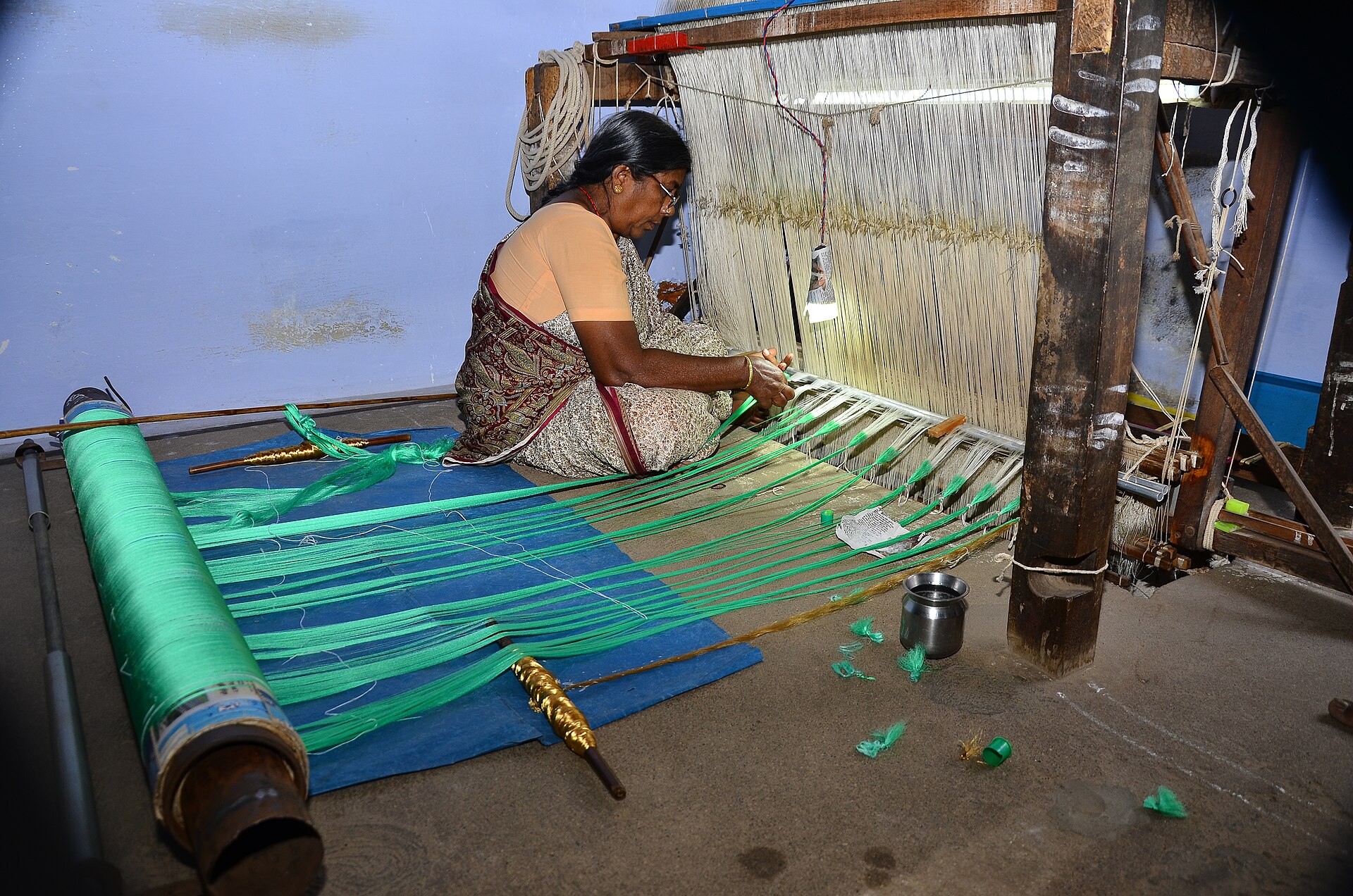
We don’t own looms; we owe them. Sahaja partners with handloom clusters and stitching units on published, verified wages — and puts the maker’s name on the label, where the logo usually goes.
The weaving clusters
Long-run contracts, not spot orders — so a loom family can plan a year, not a week. We pay on dispatch, not on sale.
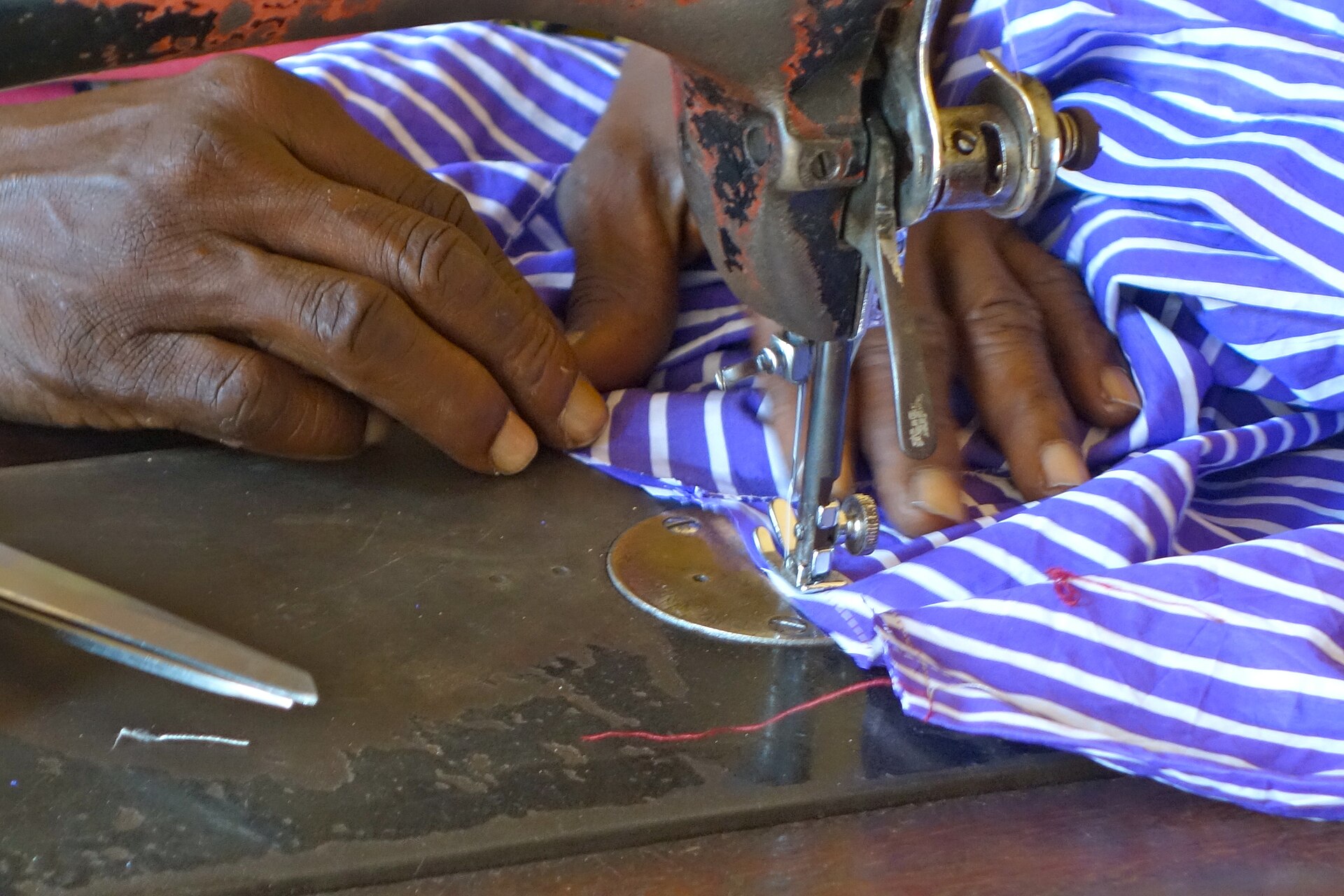
The stitching units
Small SHG-run units finish every garment. Third-party wage audits are published annually — the boring proof that the promise is real.
The fibre growers
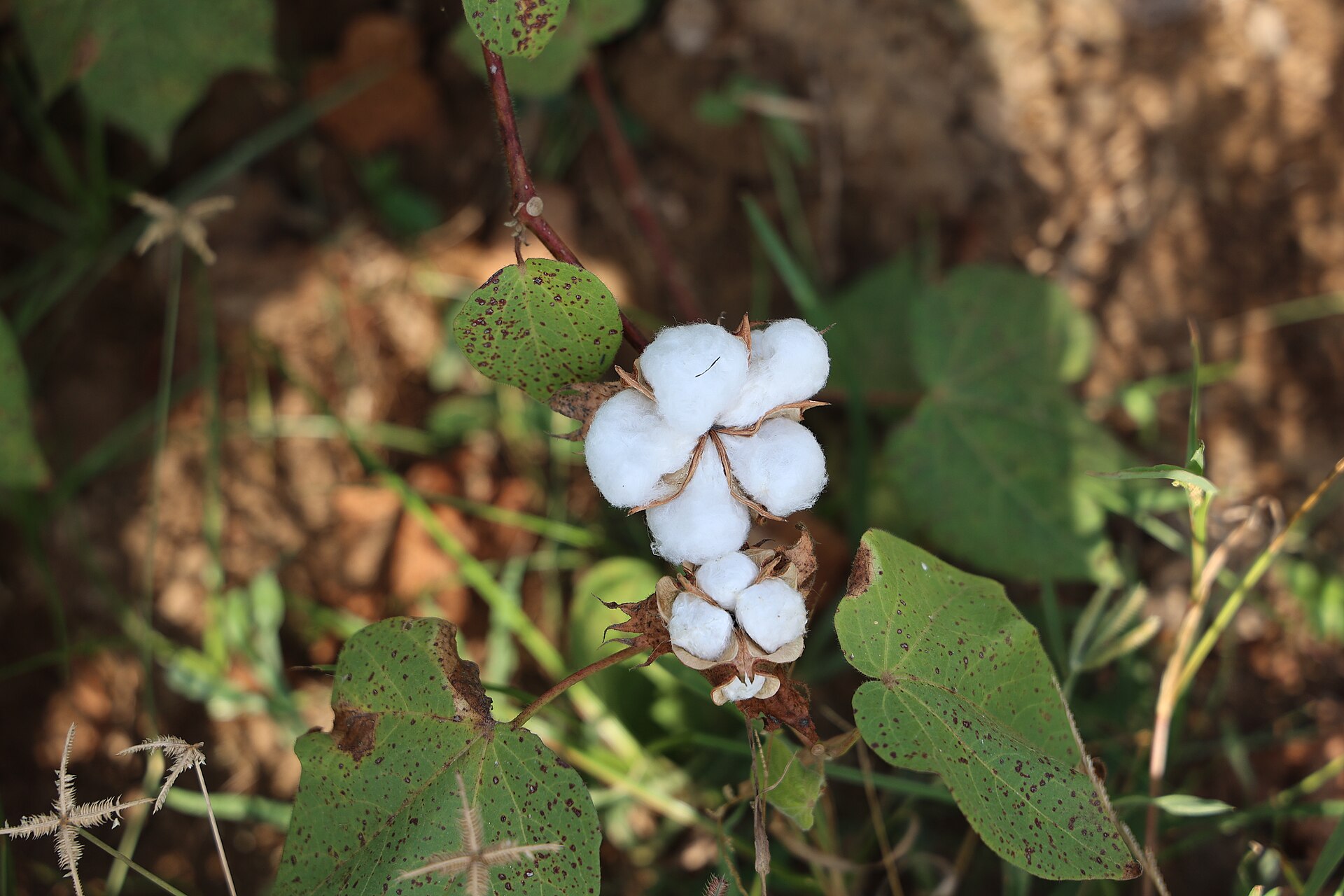
Rain-fed kala cotton and hemp bought on multi-year contracts at fixed floors — regenerative fibre only works if the farmer can rely on it.
We don’t just sell clothes. We keep them alive.
Every garment enters a loop designed to delay the landfill for as long as physically possible — and every stage of the loop is its own small business.
Make well
Durable construction, regenerative fibres, fair-paid makers, farm-to-seam traceability on a stitched-in passport.
Repair free
Lifetime mending on our pieces, paid repair on anyone else’s. Repair tables in every store. Repair is our marketing budget.
Resell
Take-back credit brings garments home; we clean, mend and resell them as Worn Again pieces with their history on the label.
Return to earth
True end-of-life natural fibre is composted or fibre-recycled. Nothing we make is designed to become trash.
Deliberately small. Stubbornly profitable.
Restraint is the strategy. Fewer units, healthy margins, tight inventory — and brand meaning, never discounting, as the engine of demand.
How we make money
- DTC apparel — online plus a few flagship “hill house” stores. Full price. No seasonal sales, ever.
- Repair & care — paid repair for non-Sahaja garments; a service that earns money and loyalty.
- Worn Again resale — margin on take-back inventory we restore and resell.
- The Kurinji Club — a small annual membership: free re-collar/re-cuff, early access, resale priority, and a tree in the hills with your name on the ledger.
- B2B durable uniforms — buy-it-for-life workwear for mission-aligned companies: predictable volume that underwrites the loom contracts.
Why restraint wins
- Anti-discount economics — made-to-demand small batches kill the real waste in fashion: unsold stock.
- Place moat — “born in the Shola hills” is an origin no competitor can copy-paste; the 1% funds it visibly.
- Repair moat — every mended garment returns a customer to the brand for free, for years.
- Community before catalogue — trek clubs, repair cafés and trail clean-ups of the Sahyadris build the tribe that buys once and evangelises for a decade.
Build a tribe before a catalogue.
Sustainable brands die trying to be everything. We start as one iconic jacket and one honest promise, and grow at the speed of trust.
Repair before retail
Open repair tables and trail meets in Bengaluru and the hill towns before selling a single garment. Fix a thousand jackets we didn’t make. Earn the right to make one.
One hero, done right
Launch the Sahyadri Jacket to the founding community, with its repair passport and the 1% ledger. Over-deliver. Publish everything — costs, wages, failures.
Close the circle
Add the Estate Shirt, take-back and Worn Again resale. Open the first hill house — part store, part repair café, part trailhead.
India’s buy-it-for-life brand
Expand fibres and silhouettes carefully, license the repair model to others, and stand as the proof that an Indian brand can grow by asking people to buy less.
Own fewer things. Love them longer.
Early pieces, the lifetime repair promise, and a stake in restoring the hills we’re named after. No spam — one letter from the hills, once a month.
hello@shola.life